



Registration has closed
| Registration fees: Regular attendees (LBNL and external): $400 Industry: $450 Students and postdocs (including LBNL students and postdocs): $250 |
Hosted by the DOE Joint Genome Institute, the University of Nevada, Las Vegas, and the Desert Research Institute, the 2025 NeLLi Symposium delves into the most recent expansions of the Tree of Life and latest discoveries toward the evolution of cellular complexity and microbial symbiosis.
This is a continuation of the previous NeLLi Symposia. In this 2025 Symposium, we will showcase the latest research on the evolution of cellular complexity, the tree of life, cultivation of new lineages and the function of candidate lineages in biogeochemical cycles and beyond, as well as microbial symbioses. We aim to foster discussions centered on how to capture, define, quantify, and functionally characterize microbial diversity. The Symposium will also focus on experimental innovations, computational advances, and other technological developments leveraging recent progress in AI/ML that will enable researchers to discover novel lineages of life and move from the identification of microbial novelty to assigning metabolic and functional capabilities.
Take part in the "Sequences to Cultures" Jamboree!
Immediately following the NeLLi Symposium, join us for a 1.5–day jamboree on November 6–7 focused on improving cultivation and genomic coverage. Experts in cultivation and environmental genomics will work together to develop recommendations for cultivating new bacteria and archaea revealed by a recent genome census. A key outcome will be a a compelling position paper, and we are pleased to have Nature Microbiology editor Kyle Frischkorn joining us to contribute to discussions and provide an editorial perspective.
View the Jamboree agenda here
Thanks to our sponsors!
|  |  |
Organizers
NeLLi Agenda
| Time | Event | Details | Description |
|---|---|---|---|
| Tuesday, November 4, 2025 – Day 1 | |||
Session 1: Evolution of Cellular Complexity and Symbiotic Interactions Moderators: Tanja Woyke, Sujung Lim | |||
| 08:00–09:00 | Breakfast & Registration | Marjorie Barrick Museum of Art (UNLV) | |
| 09:00–09:05 | Welcome Remarks | Marjorie Barrick Museum of Art (UNLV) | Led by Frederik Schulz & Brian Hedlund |
| 09:05–09:45 | John M. Archibald, Dalhousie University | “Mirusviruses: genomic, metagenomic, and cell biological perspectives"
| Mirusviruses are a newly discovered lineage of large DNA viruses ubiquitous in aquatic environments but with unclear host affiliations. I will discuss the distribution and genomic architecture of mirusviruses in cultured marine thraustochytrid protists, and what electron microscopy, RNA‑Seq, and proteomics tells us about host‑virus interactions. I will also discuss what we have learned about mirusvirus diversity from metagenomic sequencing of freshwater environments in Nova Scotia, Canada. |
| 09:45–10:00 | Ling-Dong Shi, University of California, Berkeley | Metabolically replete, circular, jumbo extrachromosomal elements of anaerobic methane-oxidizing archaea | |
| 10:00–10:15 | Lizzy Wilbanks, University of California, Santa Barbara | Population dynamics of CRISPR-Cas Immunity in a Natural Population | |
| 10:15–10:30 | Veronica Mierzejewski, Arizona State University
| Searching for genome-based constraints in protein fold diversity and reaction exploration | |
| 10:30-11:00 | Break | Discussions continue Marjorie Barrick Museum of Art (UNLV) | |
| 11:00–11:30 | Thijs Ettema, Wageningen University & Research | “The archaeal origin of eukaryotic cells” Marjorie Barrick Museum of Art (UNLV) | Compared to prokaryotes, eukaryotic cells are far more complex- comprising several organelles and a dedicated endomembrane system. Current data support that the eukaryotic cell evolved via a symbiosis that involved an ancient archaeal host cell and a bacteria-derived endosymbiont, the mitochondrial ancestor. In this talk I will discuss the most recent views on the process of eukaryogenesis, and on the origin of cellular complexity of eukaryotic cells. |
| 11:30–11:45 | Ana Cho, Arizona State University | Mitochondria of newly identified aerobic sister-lineage of Breviates | |
| 11:45–12:00 | Eric Olo Ndela, Joint Genome Institute | Global evaluation of the biosynthetic potential of environmental microbes | |
| 12:00–13:10 | Working Lunch | Discussions continue Marjorie Barrick Museum of Art (UNLV) | |
| 12:35–13:05 | Kyle Frischkorn, Nature Microbiology | "Publishing in Nature Journals" | Publication is an integral facet of the research enterprise, but the publication process can seem like a black box. This seminar will aim to demystify scientific publishing by covering the job of a journal editor, how to select the right venue within the Nature Portfolio, and what happens behind the scenes from submission through review to acceptance.Though there will be an emphasis on Nature Microbiology, the points covered should apply across most journals and scientific disciplines. |
Session 2: New Lineages and New Functions in an Expanded Tree of Life Moderators: Bikash Shrestha, Rajani Murali | |||
| 13:10–13:40 | Harriet Alexander, Woods Hole Oceanographic Institution | "Ecology and biogeography of Gephyrocapsa (Emiliania) huxleyi through a pangenomic lens"
| Gephyrocapsa (Emiliania) huxleyi is the most abundant coccolithophore in the ocean, with a cosmopolitan distribution, frequent bloom formation, and long-recognized strain-level variability in physiology. To investigate the genomic basis of this diversity, we sequenced 16 strains and integrated published data to build a pangenome, defining core and variable gene sets. This framework links genomic variability to stress responses and reveals global ecotype diversity, providing new insights into how genetic differences shape the ecology and biogeography of this key phytoplankton. |
| 13:40–13:55 | Robert Bowers | Semi-Permeable Capsule Single-Cell Genomics Reveals Strain-Level Diversity Beyond Metagenomes | |
| 13:55–14:10 | Hang Yu | Manganese Chemolithoautotrophy Sparks Bacterial Innovations | |
| 14:10–14:25 | Xuefeng (Nick) Peng | Expanded genetic and functional diversity of oceanic fungi | |
| 14:25–14:55 | Break | Discussions continue Marjorie Barrick Museum of Art (UNLV) | |
| 14:55–15:25 | Alexander Probst, University of Duisburg-Essen | “Seeing the unseen: Unlocking microbial ecophysiology with genome-inferred correlative microscopy” Marjorie Barrick Museum of Art (UNLV) | The study of uncultivated microorganisms and their viruses is mostly driven by genomic analyses leading to a major disconnect between sequence information and microscopic images. Here, we present recent advances in studying uncultivated microbes using genome-resolved metagenomics in combination with correlated electron microscopy and fluorescence microscopy. |
| 15:25–15:40 | Kali Swichtenberg | Exploring Metamonada | |
| 15:40–15:55 | L. Felipe Benites | Roads not taken: prebiotic and extraterrestrial amino acid alphabets as building blocks of alternate proteomes | |
| 15:55–16:10 | Reid Longley | Uncovering Novel Patescibacteria Lineages in Size-Filtered Viromes | |
| 17:30–21:00 | Reception | Poster session and light entertainment National Atomic Testing Museum at the Desert Research Institute (DRI Phase II Building) | |
| Wednesday, November 5, 2025 – Day 2 | |||
Session 3: Advances in Cultivation and Characterization of New Lineages Moderators: Natalia Ivanova, Alireza Saidi-Mehrabad | |||
| 08:00–09:00 | Breakfast & Registration | Marjorie Barrick Museum of Art (UNLV) | |
| 09:00–09:30 | Masaru Nobu, JAMSTEC | “Redefining Microbial Life at the Edge: Strategic Cultivation of Novel Anaerobic Lineages” Marjorie Barrick Museum of Art (UNLV) | By integrating energetics and genomics, we identified overlooked metabolic and ecological niches and successfully cultivated prokaryotic lineages with novel functions. We will highlight new lineages—including Fidelibacterota and Heimdallarchaeia—and their unique physiological strategies for thriving in the oxygen‑depleted biosphere. |
| 09:30–09:45 | Natasha Sushenko | Folate auxotrophy in Atribacterota reveals pervasive microbial cultivation problem | |
| 09:45–10:00 | Slava Epstein | Introducing Gulliver: an autonomous platform for cultivation of microbial “dark matter” | |
| 10:00–10:15 | George Schaible | Cultivation of Thiovulum reveals record-breaking motility and emergent collective behavior | |
| 10:15–10:45 | Break & Group Photo | Discussions continue Marjorie Barrick Museum of Art (UNLV) | |
| 10:45–11:15 | Anne Dekas, Stanford University | “A sea of novelty: Characterizing the metabolic activity of uncultivated deep‑sea microbes” Marjorie Barrick Museum of Art (UNLV) | The deep sea is the largest and least characterized habitat on the surface of our planet. In this talk, I will describe trends in taxonomic novelty with seawater depth, and both molecular and isotopic approaches to characterizing the function of deep‑sea microbes, with a focus on chemoautotrophs. |
| 11:15–11:30 | Guang He | Expanding the Microbial and Enzymatic Repertoire for N₂O Reduction Through Cultivation and Omics | |
| 11:30–11:45 | Tianyu Gan | Cultivation of a human gut-associated picobirnavirus in bacteria defines the third clade of RNA bacteriophage | |
| 11:45–12:00 | Duane Moser | The Death Valley Regional Flow System as a Regional-scale Deep Biosphere Observatory | |
| 12:00–13:10 | Working Lunch | Discussions continue Marjorie Barrick Museum of Art (UNLV) | |
| 12:35–13:05 | Kris Locken, Zymo | "Accurate Microbiome Profiling from the Toughest Samples" | Metagenomic reproducibility has been hindered by inconsistent sample preparation methods. To address this, we benchmarked over 1,500 samples using defined microbial standards and introduced the Measurement Integrity Quotient (MIQ), a scoring system for method accuracy. Our findings highlight that mixed-size, had ceramic beads on an optimized disruptor platform yield the most reliable results. |
Session 4: AI Frontiers in Microbial Discovery Moderators: Rekha Seshadri, Brian Hedlund | |||
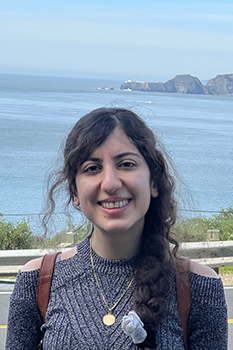
| 13:10–13:40 | Elahe Vedadi, Google | “Accelerating science and medicine with AI physician‑scientists” Marjorie Barrick Museum of Art (UNLV) | Google DeepMind has introduced two general‑purpose AI systems aimed at advancing science and healthcare. The AI co‑scientist supports researchers in hypothesis generation and has led to new therapeutic discoveries, while the AI co‑physician, AMIE, shows strong potential as a diagnostic assistant. Together, they represent a major step toward transforming scientific research and medical expertise through AI. |
| 13:40–13:55 | Marcin Joachimiak | Knowledge-Graph-Driven and LLM-Enhanced Microbial Growth Predictions | |
| 13:55–14:10 | Paarth Batra | TM-Vec 2: Accelerated Remote Homology Detection for Structural Similarity | |
| 14:10–14:25 | Kalpathy Jayanth Krishnan | Machine Learning Reveals Regulatory Logic of Metabolic Versatility in Rhodopseudomonas palustris. | |
| 14:25–14:55 | Break | Discussions continue Marjorie Barrick Museum of Art (UNLV) | |
| 14:55–15:25 | Yunha Hwang, Massachusetts Institute of Technology | “Genomic language modeling for context‑aware discovery” Marjorie Barrick Museum of Art (UNLV) | Most sequenced genes remain functionally mysterious, a challenge intensified by the rise of metagenomic data. Genomic language modeling offers a scalable, context‑aware approach to uncover gene functions and engineer multi‑protein systems by analyzing evolutionary signals beyond sequence similarity. |
| 15:25–15:40 | Hyejong Hwang | Fine-Tuning Genome Language Models for Giant Virus Discovery | |
| 15:40–16:00 | Awards, Recognition & Meeting Closeout | Marjorie Barrick Museum of Art (UNLV) | Led by Frederik Schulz and Brian Hedlund |
| 17:30–21:00 | *Hofbrauhaus Dinner & Mob Museum | Dinner at Hofbrauhaus Beer Garden- 4510 Paradise Road; bus to Mob Museum departs Hofbrauhaus at 19:00 | Please make your way to Hofbrauhaus on your own. The beer garden is located in the back. The bus will depart from Hofbrauhaus at 19:00. |
Speakers
 John M. Archibald | 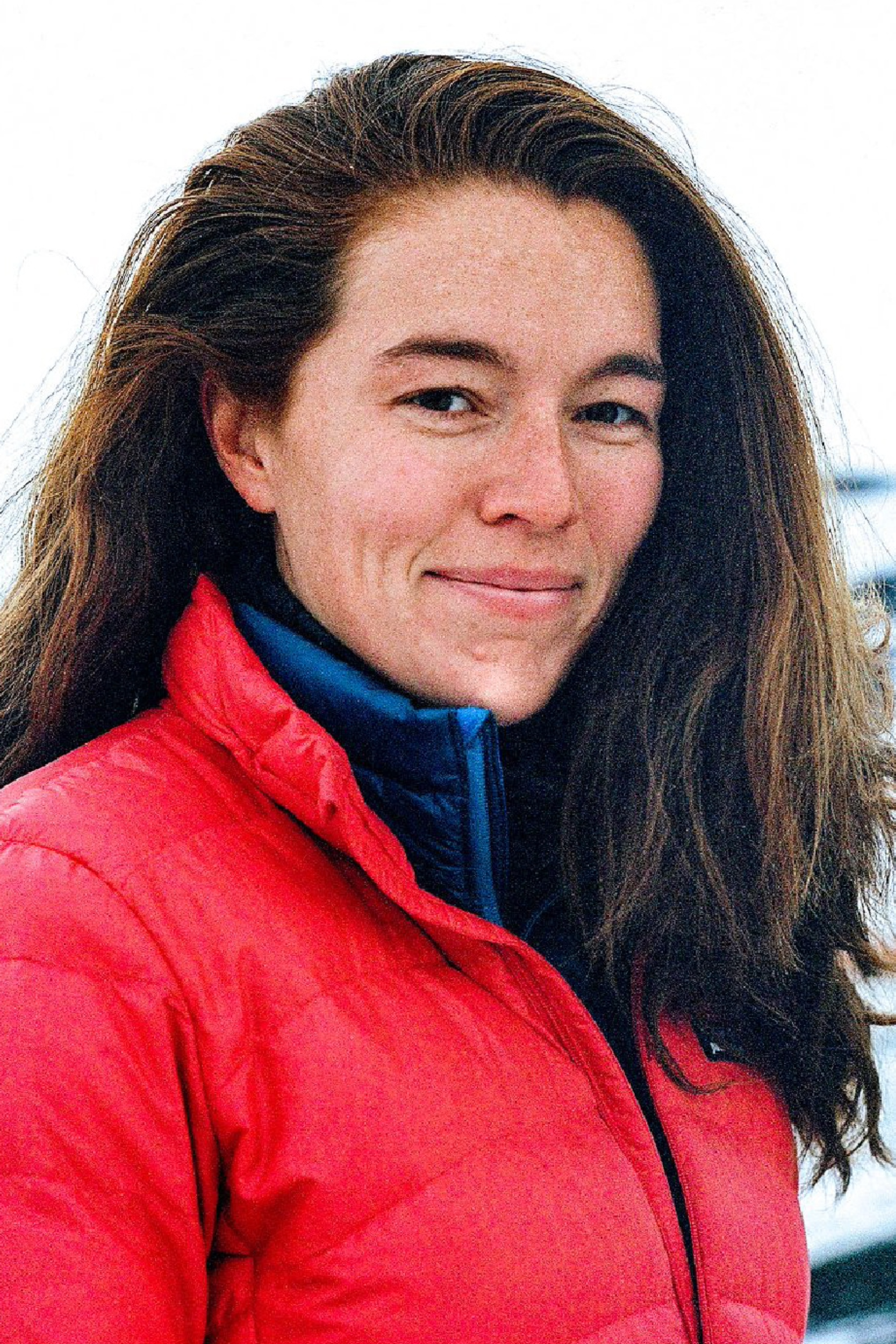 Harriet Alexander | 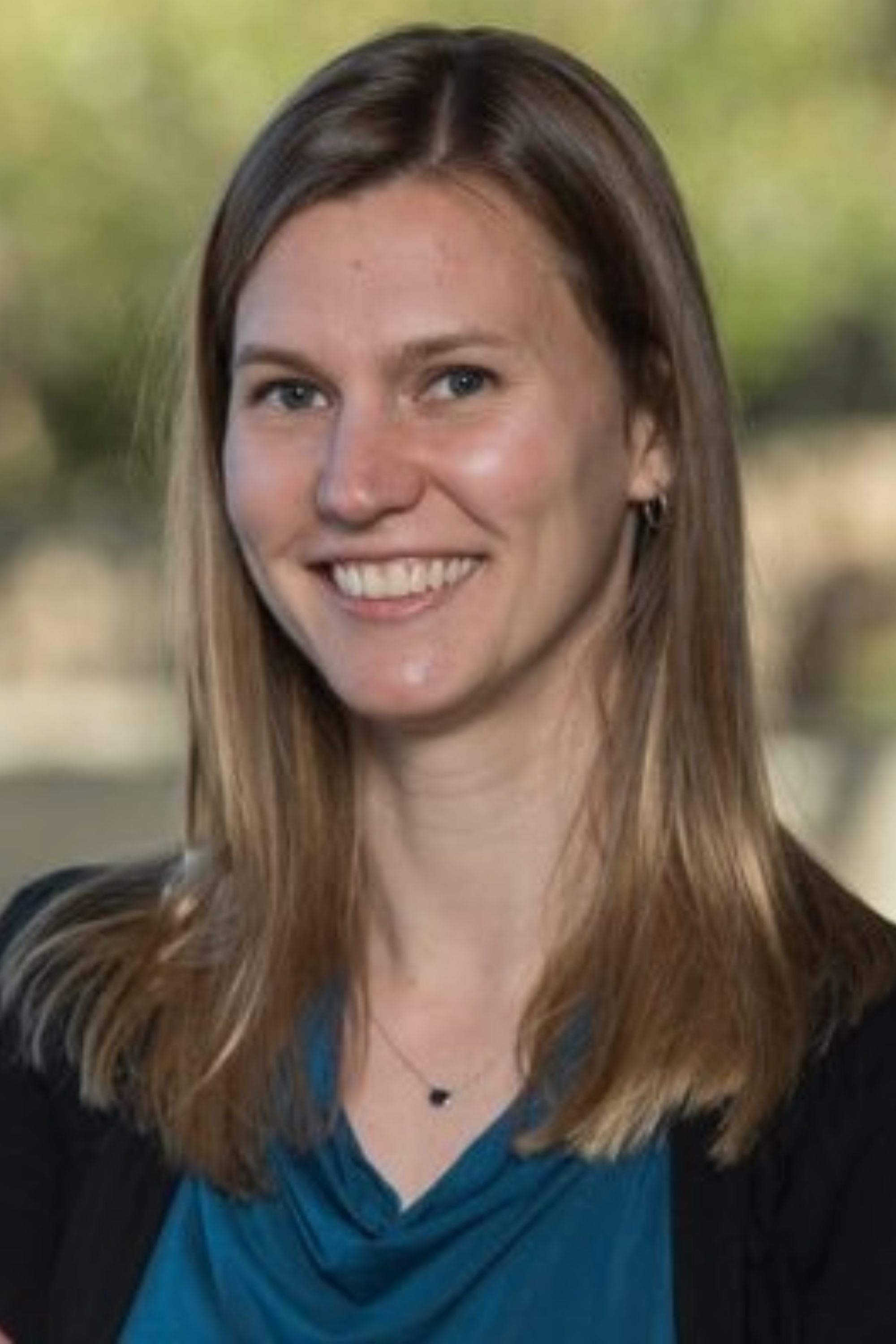 Anne Dekas |  Thijs Ettema
|
 Kyle Frischkorn | 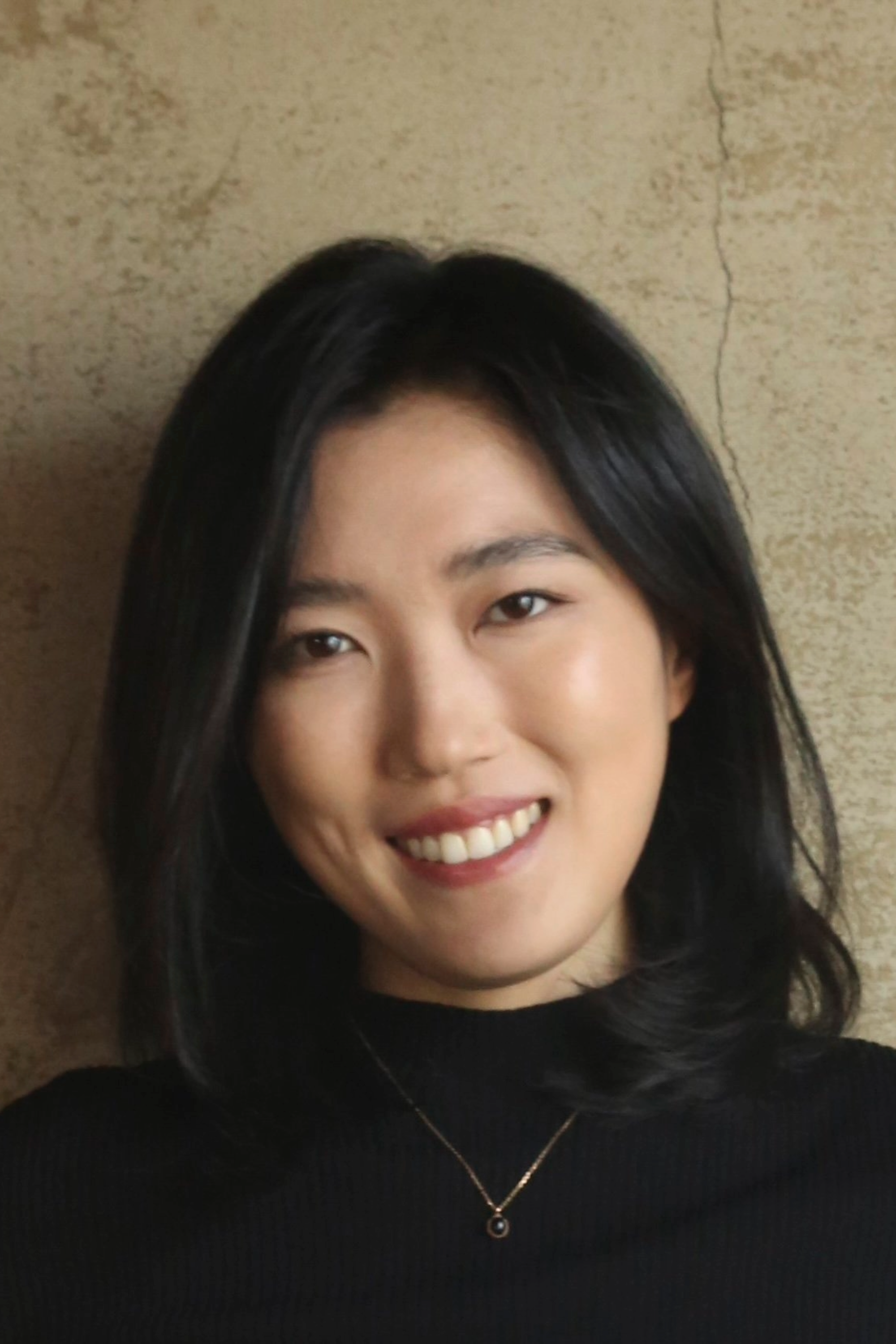 Yunha Hwang | 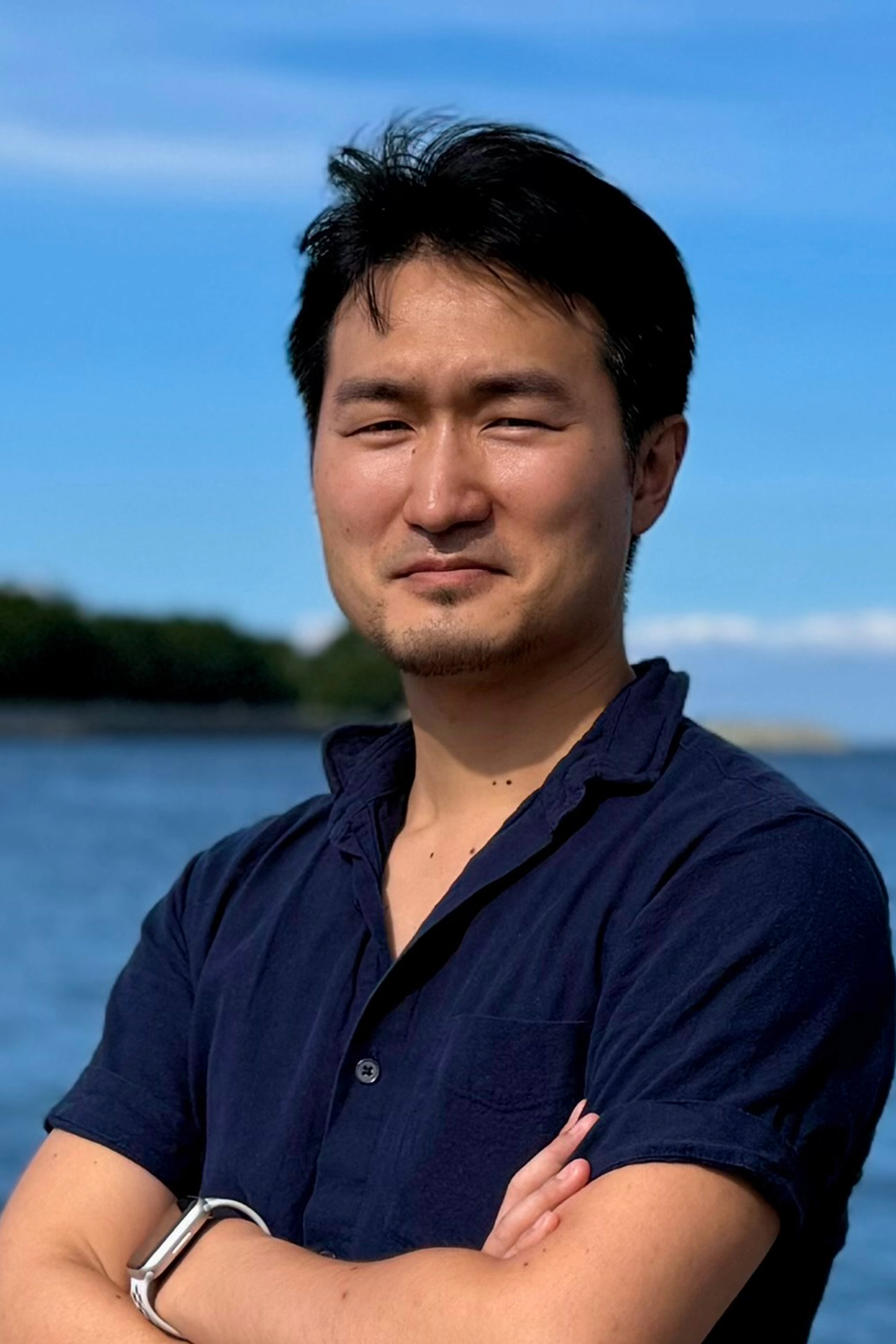 Masaru Nobu | 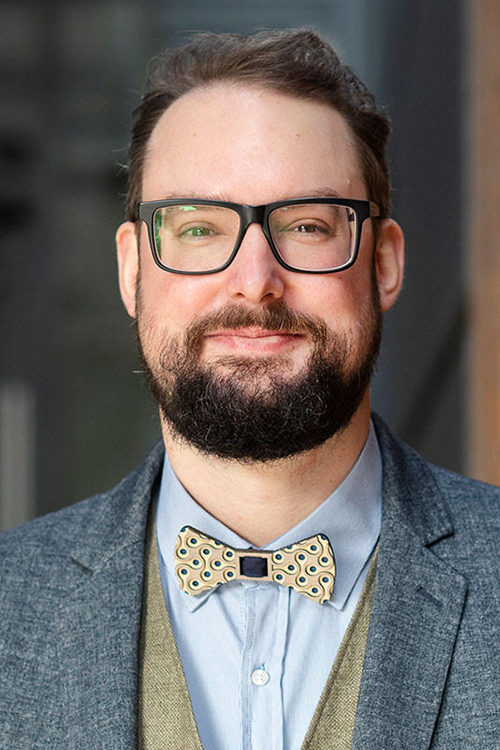 Alexander Probst |
 Elahe Vedadi |
|

