Developing and validating an integrated approach to genome recovery from metagenomes.

The Science
Through the JGI’s Emerging Technologies Opportunity Program (ETOP), researchers have developed and improved upon a tool that combines existing DNA sequence binning algorithms, allowing them to reconstruct more near-complete genomes from soil metagenomes compared to other methods.
The Impact
Understanding how individual microbes interact with each other in a community, and characterizing their individual contributions, is key to understanding their ecosystem functions in processes ranging from nutrient cycling to plant health and growth. Developing a scalable computational approach that provides researchers with the ability to recover and reconstruct individual genomes, particularly from incredibly complex soil microbial communities, is crucial to understanding how these microbes respond and adapt to environmental changes.
Summary
Researchers have been utilizing metagenomics as a way to study a collection of hard-to-culture microbes, but the efficacy of this approach would be greatly increased by having the ability to reconstruct complete genomes of individual, unknown microbes in the community. Since the inception of the Emerging Technologies Opportunity Program in 2013, a team of researchers has been working on improving methods for isolating and characterizing entire microbial genomes from sequences generated from environmental samples. The work aligns with the ETOP mission of providing JGI users with the most current technology and expertise in order to address pressing energy and environmental scientific challenges.
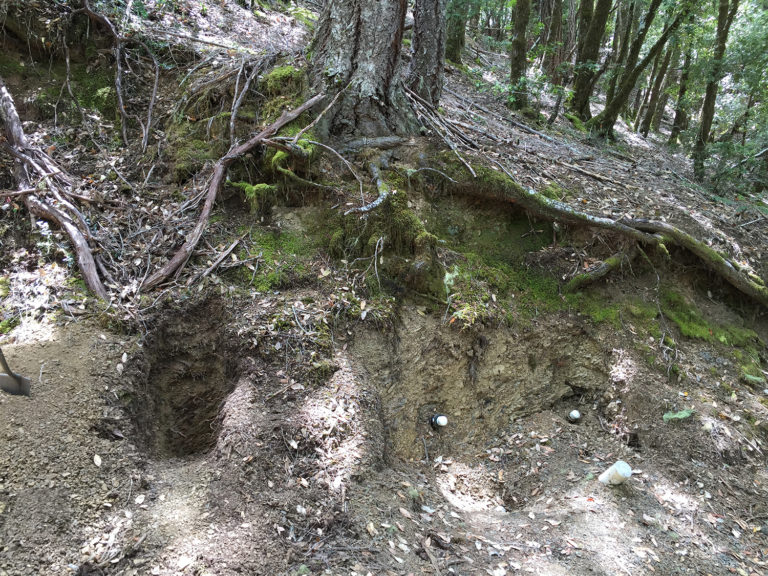
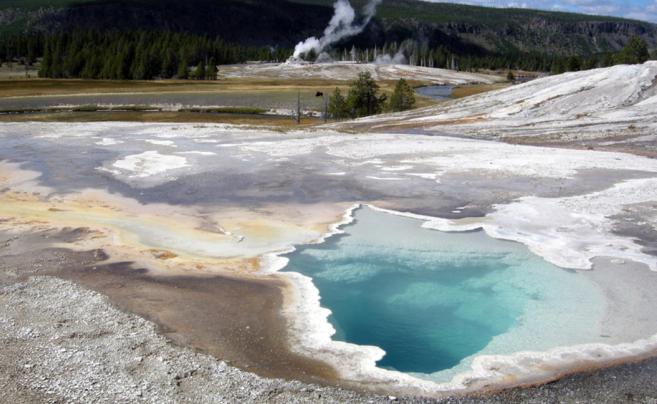
In Nature Microbiology, a team led by longtime JGI collaborator Jill Banfield of the University of California, Berkeley and involving JGI researchers, reported on the development and validation of a dereplication, aggregation and scoring tool (DAS Tool). To validate DAS Tool, the team applied it to assemblies from both simulated and real microbial communities and examined the bins obtained. The simulated communities were those created for the Critical Assessment of Metagenome Interpretation (CAMI) Challenge, a competition launched in 2015 by a community initiative, with varying numbers of genomes to demonstrate its capacity to tackle metagenomes with low (40 genomes) to high (596 genomes) complexity. The environmental datasets included metagenomic data from Crystal Geyser in Utah (work also done by the Banfield lab in collaboration with the JGI), human microbiomes, natural oil seeps in Santa Barbara, Calif., and soil from the Angelo Coast Range Reserve in California.
Using DAS Tool on data from soil samples, researchers were able to reconstruct 79 minimally contaminated (<5%) draft genomes to >70% completeness. Of those 79 genomes, 26 were high-quality draft genomes with >90% completeness. These results, noted JGI User Programs Deputy Susannah Tringe, suggest that extracting high-quality genomes from soil metagenome data is no longer “nearly impossible.”
The team reported that “almost always, [DAS Tool] extracted considerably more genomes from complex metagenomes than any of the single binning tools alone,” primarily because of its capacity to harness the strengths of multiple binning algorithms. They added that DAS Tool’s flexibility in integrating results from both manual and automated binning methods also extends to harnessing future binning tools. DAS Tool is an example of how JGI users can benefit from the ETOP program, as tools such as this can help advance genome-centric analyses.
DAS Tool will significantly enhance the ability to assemble often-fragmentary DNA sequences from environmental samples of very complex microbial communities into complete or near-complete genomes to aid characterization of community members and their genome-encoded metabolic capabilities and interactions. Supported by JGI’s ETOP, this new tool will now be available for JGI users interested in exploring microbial communities engaged in mission relevant energy and environmental processes.
More Details
Metagenome
Community Science Program
Community Science Program
Sieber, C. M. K. et al. (2018) Recovery of genomes from metagenomes via a dereplication, aggregation and scoring strategy. Nature Microbiology. 10.1038/s41564-018-0171-1
Metagenome Program
The Metagenome Program uses advanced sequencing technologies to decode the genomes of microbes in their natural environments.


User Programs
Learn more about calls available through our Community Science Program, as well as collaborative calls with our partner facilities and other opportunities.